




 646
646 0
0 0
0The Defensive Tricks Anders Vejrgang Uses That Most Players Miss In EA SPORTS FC 26
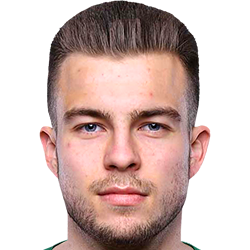
Dick van Dyke


- Defensive Control: The Hidden Weapon Behind Anders’ Dominance
- Defender Selection: Why Team Choice Matters at the Highest Level
- PlayStyles and Aerial Control: The Detail Everyone Missed
- Tactical Setup: Why Formation Codes Don’t Tell the Full Story
- Defender Movement: The Art of Floating Control
- Cut and Press: Defending Doesn’t End After Closing a Lane
- Cover Shadow and Diagonal Pressure
- Reaction Speed: Defending the Present and the Future
- Player Switching: Where the Skill Gap Truly Begins
- Player Switching: Where the Skill Gap Truly Begins
- Ghost Tackling and Controlled Aggression
- Why Anders Defends the Way He Attacks
Winning the FC Pro Open once already places a player among the elite. Defending that title, however, demands something far greater than mechanical skill or good tactics. It requires complete control of the game at every level. In EA SPORTS FC 26, no player embodies that level of dominance more than Anders Vejrgang.
Widely regarded as the “final boss” of competitive FC, Anders is often praised for his ruthless attacking intelligence and composure in front of goal. What rarely gets the spotlight, though, is the foundation that makes all of that possible: his defending. Against opponents of the highest caliber, including players like Emre Yilmaz, Anders doesn’t just survive defensively; he suffocates them. Limiting an elite attacker to a single goal across a nine-minute half isn’t luck. It’s absolute control.

Defensive Control: The Hidden Weapon Behind Anders’ Dominance
Anders’ defending isn’t flashy. It doesn’t rely on constant slide tackles or reckless pressure. Instead, it quietly removes options, slows the game down, and forces opponents into predictable mistakes. When watching his matches closely, you realize that many elite players aren’t being outplayed; they’re being denied the right to play altogether.
This level of defensive authority directly fuels his attacking threat. Because Anders controls defensive situations so effectively, he dictates when transitions happen. He chooses when the match speeds up and when it slows down. In FC 26, where momentum and decision-making are everything, that ability to regulate the flow of the game separates champions from contenders.
Defender Selection: Why Team Choice Matters at the Highest Level
Before tactics or mechanics even come into play, Anders’ defending begins with intelligent defender selection. During the FC Pro Open, there were multiple moments where opponents broke through the defensive line, only for Anders’ center backs to recover effortlessly. These weren’t miracles they were calculated advantages built into his squad.
Using Jaap Stam and Nemanja Vidić as his center-back pairing gave him pace, strength, and elite defensive PlayStyles. Stam’s combination of acceleration, sprint speed, and physicality allows him to recover quickly without overcommitting. Vidić mirrors this profile, offering raw strength, defensive awareness, and elite interception ability that perfectly complements Anders’ defensive approach.

PlayStyles and Aerial Control: The Detail Everyone Missed
While most players focused on pace and strength, the real advantage of Anders’ defenders lay in their PlayStyles. Both Stam and Vidić feature Bruiser, Intercept, and crucially, Aerial Fortress. This combination made defending player-lock corners far easier, especially against the current set-piece meta in FC 26.
Instead of panicking and clearing the ball under pressure, Anders consistently redirected headers sideways to nearby teammates. By doing this, he avoided the randomness of clearances and immediately transitioned into controlled possession. Using player lock afterward, he moved the ball into safe areas, completely neutralizing one of the most broken mechanics in the game with calm, repeatable execution.
Tactical Setup: Why Formation Codes Don’t Tell the Full Story
After the Pro Open, EA released Anders’ 4-4-2 tactical code, leading many players to assume that was his primary setup. In reality, elite pros rarely stick to one formation. Anders constantly shifts his shape in-game depending on scoreline, opponent behavior, and momentum swings.
One critical detail stood out in his tactics: 90 defensive depth. This aggressive line allows him to compress space without relying heavily on offside traps. By keeping his defensive block high, Anders shortens passing lanes and forces opponents into rushed decisions, all while maintaining structure rather than chaos.
Defender Movement: The Art of Floating Control
What truly separates Anders defensively is how he moves his defenders. Rather than sprinting directly at the ball, he uses what can be described as “float defender movement.” This involves subtle direction changes, half-steps, and micro-adjustments that manage space, passing lanes, and pressure simultaneously.
By floating between lanes, Anders gives opponents the illusion of an opening before quietly shutting it down. He understands that elite attackers watch defender movement closely. Instead of committing early, he manipulates positioning just enough to delay decisions, then strikes when the opponent hesitates.

Cut and Press: Defending Doesn’t End After Closing a Lane
One of Anders’ most consistent defensive habits is what can be described as cut-and-press defending. When he tracks a run or blocks a passing lane, he doesn’t stop there. The moment that option is removed, he immediately applies pressure to the ball carrier.
Average players consider a defensive action “done” once a pass is covered. Anders treats that as the beginning. Since elite opponents rarely force blocked passes, they tend to hold the ball. That hesitation is exactly when Anders steps forward, challenges aggressively, and wins possession.
Cover Shadow and Diagonal Pressure
Another defining trait of Anders’ defending is his mastery of cover shadow movement. By approaching the ball at a diagonal angle, he simultaneously closes a passing lane and pressures the ball carrier. This dual-purpose movement leaves opponents with fewer options and less time.
To casual viewers, it can look like reckless charging. In reality, Anders is covering two threats at once. This diagonal pressure ensures that even if the tackle fails, the opponent has no clean escape route, forcing rushed decisions that often lead to turnovers.
Reaction Speed: Defending the Present and the Future
At pro level, reaction time goes beyond reflexes. Anders doesn’t wait to see what happens; he defends what is happening and what might happen next. While most players react after a pass is played, Anders closes the lane before the animation even begins.
This forward-thinking approach allows him to arrive early rather than late. By sensing the next phase of play, he positions himself two steps ahead, turning dangerous situations into routine recoveries. It’s a skill built through experience, awareness, and relentless focus.
Player Switching: Where the Skill Gap Truly Begins
If there is one mechanic that defines Anders’ defensive superiority, it’s player switching. His use of L1 switching allows him to instantly select the closest defender and apply pressure without delay. The speed of these switches ensures he’s always in position before the attack fully develops.
Beyond L1, his right-stick switching is what elevates him above other pros. Anders doesn’t just switch accurately; he switches early. He often selects defenders away from the current play to prepare for the next one, then switches back instantly if needed. This anticipation creates defensive coverage that feels impossible to break.
Reading Patterns and Setting Defensive Traps
Elite defending in FC 26 isn’t about memorizing every situation; it’s about recognizing common attacking patterns. Anders excels here. When opponents repeat familiar sequences, he doesn’t chase runs blindly. He waits, reads intention, and positions accordingly.
Against common triangle patterns and striker-short movements, Anders often sets traps. By disguising his positioning, he encourages opponents into predictable decisions, then commits with a different defender at the perfect moment. These “disguise tackles” slow down decision-making and leave attackers with no escape routes.
Ghost Tackling and Controlled Aggression
Ghost tackling is one of Anders’ most advanced defensive techniques. When unsure of winning the ball cleanly, he commits to a tackle, then instantly switches to another defender to protect against the next pass. Even if the tackle fails, the recovery switch neutralizes the danger.
Despite his aggressive reputation, Anders adapts his defending based on the game’s meta. In FC 26, controlled shape and selective pressure are more effective than constant aggression. Knowing when to step out and when to hold position allows him to remain dominant as the game evolves.

Why Anders Defends the Way He Attacks
Anders Vejrgang’s defending mirrors his attacking philosophy. It’s decisive, calculated, and relentlessly efficient. Every defensive action is designed to create control, not chaos. That control is what allows his attacking play to flourish without fear of punishment.
These techniques won’t turn anyone into Anders overnight. But by learning them step by step, improving switching, understanding intentions, and managing space any player can elevate their defensive game. Mastery in FC 26 isn’t about pressing harder. It’s about thinking faster.
We will share more updates on FC 26 in separate articles. If you found this information helpful or would like to learn more, please explore the other articles on our site.
Best PlayStyles for Future Stars Academy Evolutions in FC 26 (Fullback Guide)